
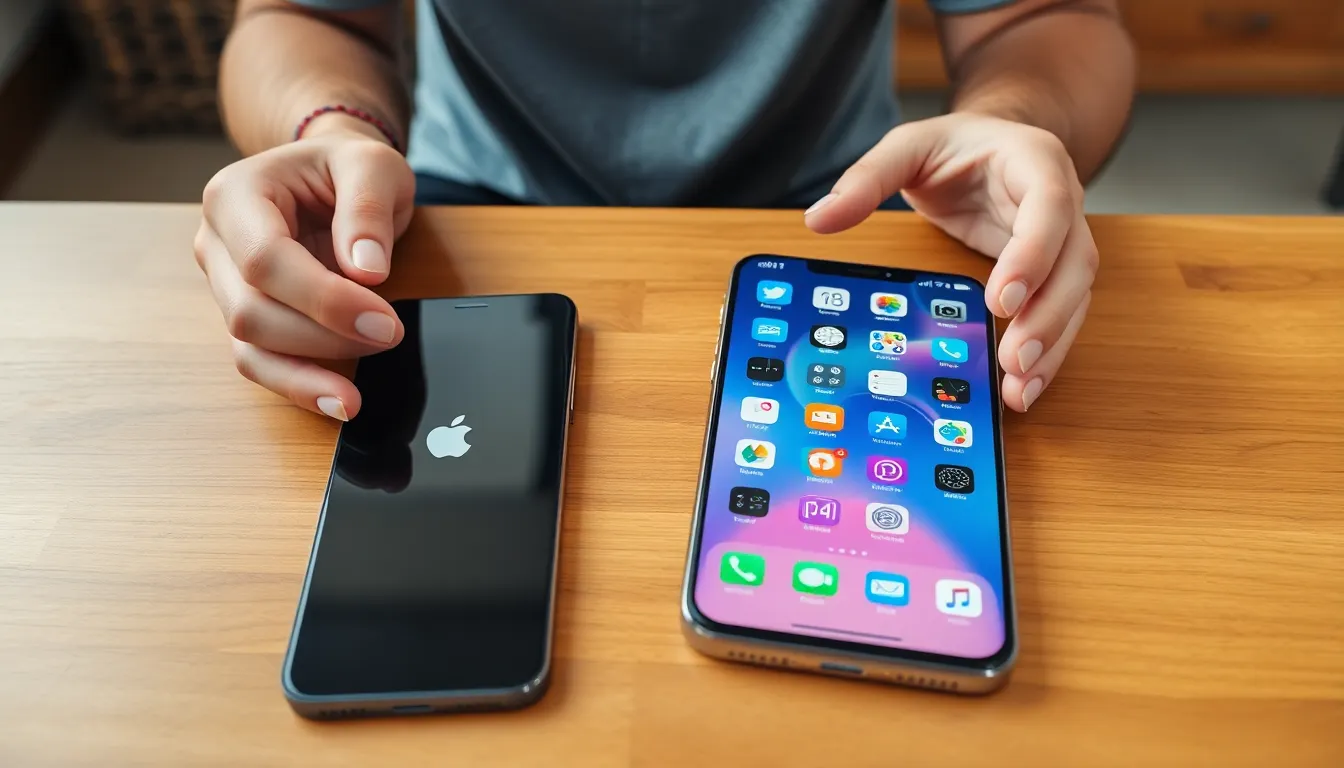
In the battle of smartphones, two titans reign supreme: iPhone and Android. Each has its loyal fanbase, armed with opinions sharper than a freshly unboxed device. So what’s the real difference between these tech giants? Is it the sleek elegance of Apple or the customizable freedom of Android that wins the day?
Overview of Smartphones
Smartphones have transformed communication, entertainment, and everyday tasks. Both iPhones and Android phones lead the market, each with unique features and experiences. Apple’s iPhone emphasizes a seamless ecosystem that integrates hardware and software. Users often appreciate the fluid user interface and consistent updates from Apple.
In contrast, Android phones offer extensive customization options. Manufacturers like Samsung, Google, and OnePlus provide diverse designs and features, allowing users to personalize their devices. Flexibility is a key attribute of Android, enabling modifications to suit individual preferences.
Performance significantly varies between the two platforms. iPhones generally feature powerful processors optimized for efficient performance, running iOS smoothly. Android phones utilize a range of processors depending on the model, affecting speed and multitasking capabilities.
Security is another critical difference. Apple stresses privacy, with features like Face ID and end-to-end encryption. On the other hand, Android phones present varied security measures, with manufacturers implementing their protocols while also allowing users to choose additional security apps.
Camera technology continues to evolve on both platforms. iPhones are known for their consistent camera quality and photo processing software. Various Android models, however, incorporate multiple lenses with advanced features, catering to photography enthusiasts.
Battery life presents a contrasting experience as well. iPhones typically offer reliable battery longevity due to energy-efficient hardware. Android manufacturers, however, vary in battery performance, often offering models with larger batteries to support heavy usage.
These distinct elements contribute to the ongoing debate between iPhone and Android users, highlighting preferences based on usability, design, and performance.
Operating System Comparison
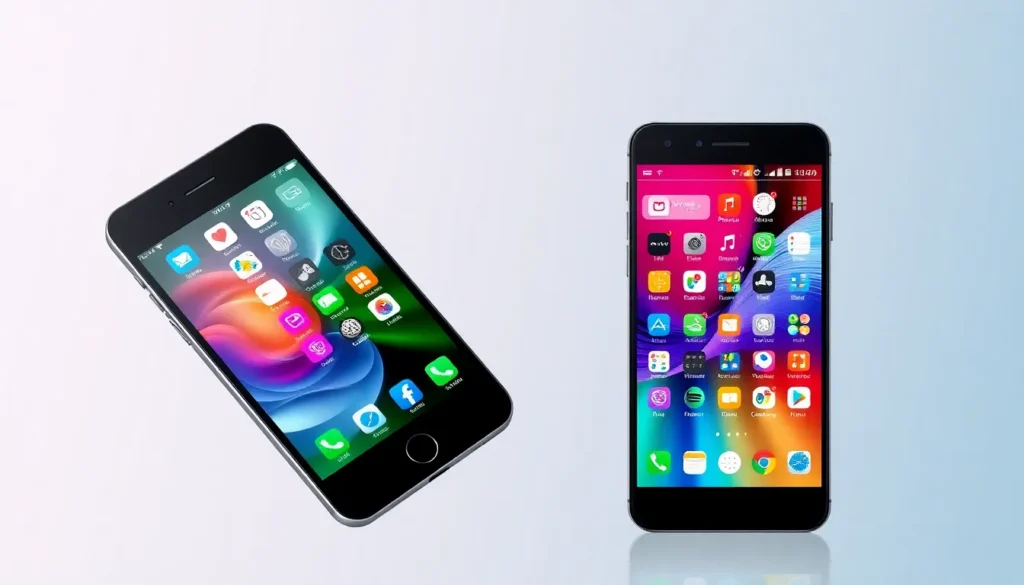
The operating systems of iPhone and Android phones markedly influence user experience. Each platform excels in its own right, catering to different preferences and needs.
iPhone Operating System
iPhones run on Apple’s iOS, known for its intuitive interface and seamless integration within the Apple ecosystem. Regular updates ensure all users access the latest features and security patches. The operating system offers a straightforward user experience, appealing to those who prefer simplicity and consistency. Compatibility with devices like the Apple Watch and iPad enhances overall functionality. Applications tend to run smoothly due to strict quality control in the App Store.
Android Operating System
Android devices operate on Google’s Android OS, designed for flexibility and customization. Diverse manufacturers implement varying hardware, allowing users to select among numerous options. Personalization is a significant advantage, with users able to change launchers, widgets, and themes. Regular updates vary by manufacturer, influencing feature availability and security. A vast range of apps are accessible through the Google Play Store, catering to different user needs and preferences, allowing for broader device support.
Hardware Differences
Hardware differences significantly impact user experience in iPhone and Android phones.
Build Quality and Design
Apple emphasizes premium materials, showcasing glass and metal in iPhone construction. The fit and finish often reflect meticulous craftsmanship. In contrast, Android devices vary widely by brand, with some manufacturers opting for plastic and others embracing metal or glass. Customizability enhances design options for Android, allowing users to choose devices that match their personal style. While iPhones typically follow a minimalist aesthetic, many Android phones present vibrant colors and unique designs. Overall, consumers may appreciate the sleek elegance of an iPhone or the diverse appeal of various Android models.
Performance and Specifications
iPhones are equipped with powerful processors tailored for iOS, leading to smooth performance across applications. The optimization of hardware and software in iPhones ensures efficient multitasking. Android phones, on the other hand, feature a broader range of processors that affect performance differently among models. High-end Android devices often rival iPhones in speed, while lower-tier models may face limitations. RAM capacity appears more variable in Android phones, creating diverse options for multitasking needs. Ultimately, the choice between iPhone and Android can hinge on desired performance levels and specifications required by users.
User Interface and Experience
User interface and experience significantly shape how individuals interact with their smartphones. Both iPhones and Android devices present unique aspects that cater to different user preferences.
Customization Options
Android phones offer extensive customization options. Users can modify home screens, choose widgets, and even install third-party launchers. This flexibility appeals to those who enjoy personalizing their devices. iPhones, however, maintain a more standardized interface. Users can adjust wallpaper and rearrange app icons but face limitations in customizing features. Such differences impact how individuals express their creativity through their devices.
User Friendliness
Apple’s iOS is designed for user friendliness. Simple navigation and intuitive layouts enhance the experience, making it accessible even for less tech-savvy users. It ensures a consistent feel across all iPhone models. Android systems vary among different manufacturers, which can lead to a less uniform experience. Some Android devices provide user-friendly interfaces, but others may overwhelm users with options. The balance of ease-of-use and customization creates distinct experiences on both platforms.
App Availability and Ecosystem
App availability and the overall ecosystem present significant differences between iPhone and Android platforms. Both ecosystems shape user experiences, impacting how individuals engage with their devices.
App Store vs Google Play Store
Apple’s App Store boasts a curated selection of applications, ensuring high quality and security. Developers often launch apps on iOS first due to a lucrative user base, leading to earlier access for iPhone users. Conversely, the Google Play Store offers a more extensive catalog that includes a wide array of free apps. Variety in Android apps caters to diverse interests and needs, despite the potential for varying quality. Users on Android might encounter unsecured apps, highlighting the importance of exercising caution during downloads.
Exclusive Apps and Features
Exclusive applications enhance user engagement on both platforms. Apple features apps like iMovie and GarageBand, which optimize creative productivity, while Android offers unique customization apps unavailable on iOS. Certain functionalities, such as Apple’s AirDrop, facilitate convenient file sharing among iOS users, enhancing the ecosystem’s fluidity. Android’s integration with Google services offers seamless access to productivity tools like Google Drive and Google Assistant, benefiting users heavily invested in the Google ecosystem. Ultimately, differing exclusive apps and features cater to unique user preferences across both platforms, solidifying the appeal of each ecosystem.
Security and Privacy
Apple prioritizes security and privacy with robust features integrated into the iPhone. Face ID provides secure authentication, utilizing advanced facial recognition technology. End-to-end encryption ensures communications and data remain private, with Apple owning the entire ecosystem, which limits vulnerabilities.
Android security varies significantly based on the device manufacturer. Some Android models offer strong security measures, while others might lack comprehensive protection. Google enhances security through regular updates, but the delivery of these updates can differ across manufacturers.
Data collection practices also differ between the platforms. Apple emphasizes minimal data collection, focusing on user privacy protection. In contrast, many Android devices rely on data to optimize services and target advertising. This disparity appeals to users’ varying privacy preferences.
App security presents another point of distinction. Apple’s App Store employs strict app review processes, reducing the risk of malware. The Google Play Store offers a wider range of apps but exposes users to potential security risks from unverified sources.
Users benefit from iPhone’s consistent security updates that ensure devices remain protected against emerging threats. Android users may experience delayed updates, depending on their device model and manufacturer. Swift response to vulnerabilities influences overall safety.
Moreover, built-in security features enhance user experiences. The iPhone includes features like Activation Lock, aiding in device recovery. Android offers similar options, but implementations may differ by brand.
Thus, choosing between an iPhone and an Android phone can depend heavily on individual preferences for security and privacy. Understanding these differences enables users to select devices aligned with their security needs.
Pricing and Value
Pricing varies significantly between iPhones and Android phones. iPhones generally fall into a higher price range, reflecting Apple’s positioning as a premium brand. For instance, the latest iPhone models can exceed $1,000, while previous generations offer more affordability, starting around $700.
Android phones present a wider pricing spectrum. Users can find budget-friendly options under $300, making smartphones more accessible. Mid-range Android models typically cost between $300 and $600, providing solid performance and features.
Value perception hinges on individual needs. iPhone users often emphasize the seamless ecosystem and consistent software updates. Long-term software support contributes to higher resale values, with many iPhones retaining their worth over time. The average iPhone resale value sits at approximately 65% after one year.
In contrast, Android users benefit from diverse options and flexibility. Budget-friendly Android devices frequently come with essential features but lack some advanced capabilities seen in premium models. These smartphones often depreciate quickly, leading to lower resale values. However, various premium Android options match or even exceed the performance of iPhones.
Most users consider factors like brand loyalty and ecosystem compatibility when assessing pricing and value. iPhones cater to individuals who prioritize design and user experience. Meanwhile, Android phones are ideal for those seeking customization and affordability. Understanding these distinctions helps consumers make informed choices tailored to their unique preferences and budgets.
Choosing between an iPhone and an Android phone ultimately comes down to personal preferences and priorities. Each platform offers distinctive advantages that cater to different user needs. iPhones excel in providing a cohesive ecosystem and robust security features, making them ideal for those who value privacy and seamless integration.
On the other hand, Android phones shine in customization and affordability, appealing to users who enjoy personalizing their devices and exploring a wider range of options. Understanding these differences helps users make informed decisions that align with their lifestyle and usage patterns. Whether it’s the sleek design of an iPhone or the flexibility of an Android device, both have something unique to offer in today’s smartphone landscape.