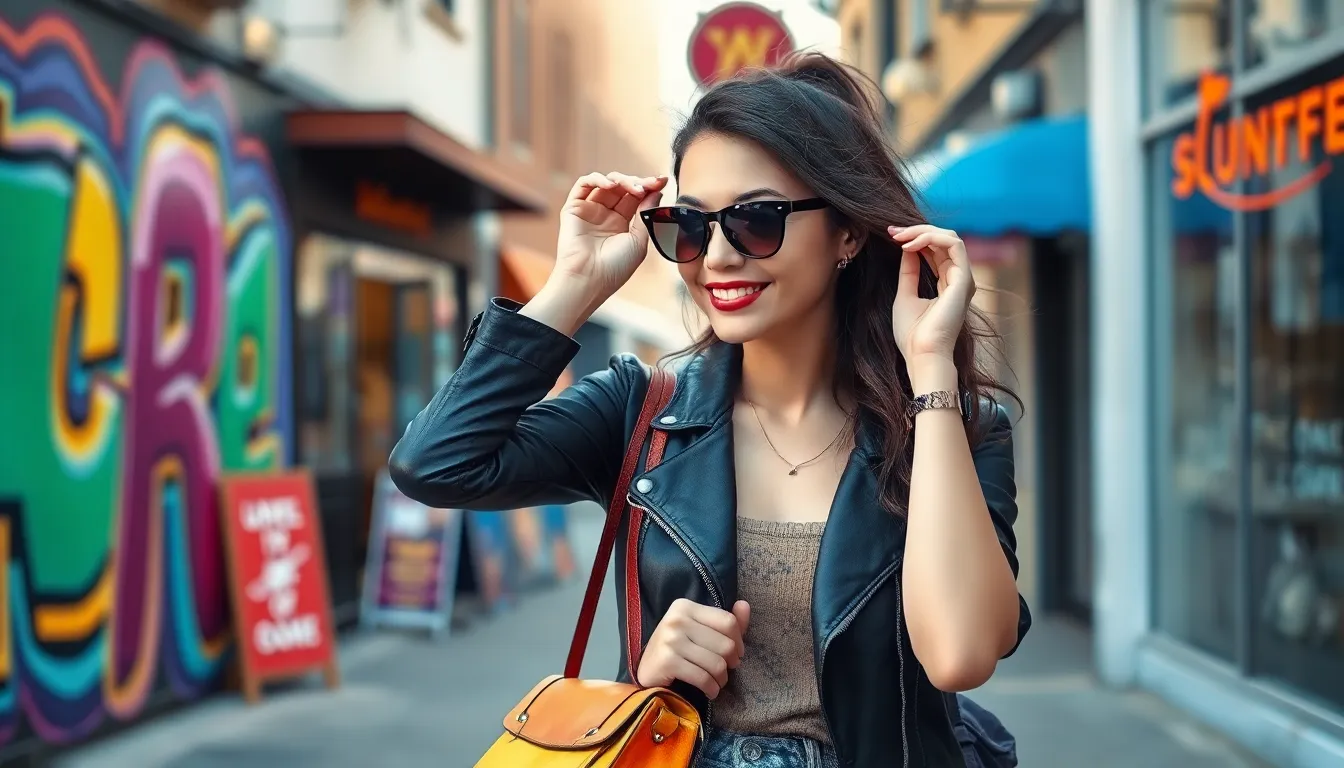
Fashion and beauty are like peanut butter and jelly—they just go together. In a world where first impressions matter, the right outfit or a pop of lipstick can make all the difference. Whether she’s strutting down the street or simply heading to brunch, the way someone presents themselves can boost confidence and turn heads.
The Evolution Of Fashion And Beauty
Fashion and beauty have transformed significantly over the years, reflecting cultural shifts and societal values. Historical styles inform modern aesthetics, merging past principles with contemporary innovations.
Historical Influences
Fashion started as a means of survival, evolving into a complex expression of identity. Ancient civilizations, such as the Egyptians and Greeks, used clothing to signify status. The Renaissance period introduced luxurious fabrics and intricate designs, emphasizing artisanship. During the 20th century, movements like punk and mod challenged norms, encapsulating social change and rebellion. Each era’s trends showcase transitions in society’s perception of beauty, influencing today’s styles.
Modern Trends
Today’s fashion and beauty trends emphasize individuality and sustainability. Influencers play a crucial role in shaping preferences, promoting diverse beauty standards. Eco-friendly brands gain traction, appealing to environmentally conscious consumers. Athleisure has merged comfort with style, becoming a staple in wardrobes. Digital platforms allow for the rapid spread of trends, fostering a culture of immediacy in fashion choices. The fusion of technology and creativity continues to redefine aesthetics, making style more accessible and inclusive.
Key Elements Of Fashion And Beauty
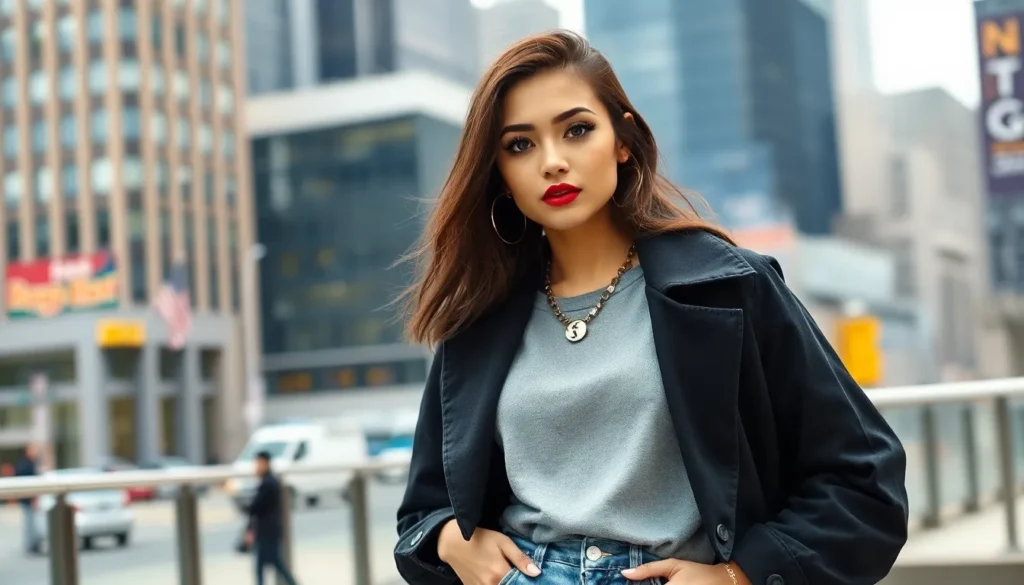
Fashion and beauty encompass several critical components, each contributing to self-expression and identity. Understanding these elements enhances personal style and confidence.
Clothing Styles
Diverse clothing styles cater to different tastes and occasions. Casual wear includes jeans and t-shirts, while business attire often features blazers and tailored pants. Streetwear emphasizes comfort and individuality through oversized silhouettes and graphic pieces. Evening wear showcases elegant gowns and sophisticated suits, reflecting formality and grace. Each style represents cultural influences and personal preferences, allowing individuals to communicate who they are.
Makeup Techniques
Various makeup techniques enhance features and complement personal style. Foundation provides an even skin tone, while concealer targets blemishes and dark circles. Eyeliner adds definition, accentuating the eyes and creating various looks. Lipstick colors range from subtle nudes to bold reds, highlighting or softening overall makeup. Mastering techniques such as contouring and highlighting transforms the facial structure, contributing to a polished appearance.
Accessories
Accessories play an essential role in completing outfits and expressing individuality. Jewelry, including earrings and necklaces, adds sparkle and personality. Bags vary in styles from functional totes to elegant clutches, enhancing the overall look. Scarves and hats offer both style and protection from the elements. Footwear choices also impact impressions, with sneakers offering comfort and heels enhancing sophistication. Selecting the right accessories personalizes an outfit, creating a cohesive and stylish appearance.
The Role Of Social Media In Fashion And Beauty
Social media shapes the fashion and beauty landscape, influencing trends and consumer behavior significantly.
Influencers And Brand Partnerships
Influencers play a pivotal role in shaping fashion and beauty narratives. They often collaborate with brands, promoting products through authentic content. Such partnerships foster trust and drive engagement among followers. Data shows that 49% of consumers depend on influencer recommendations for purchasing decisions. Brands leverage this by creating mutually beneficial partnerships that enhance visibility and reach. Micro-influencers are also making waves, as they tend to yield higher engagement rates, often reaching niche audiences effectively.
Trends and Viral Challenges
Trends evolve rapidly on social media platforms, with viral challenges driving widespread participation. Fashion and beauty trends often emerge from platforms like TikTok and Instagram, where creativity meets immediacy. Users participate in challenges that showcase unique styling or makeup techniques, creating a sense of community and engagement. According to recent statistics, 60% of social media users discover new products through trends. These trends not only influence consumer preferences but also reflect cultural conversations, making social media a powerful tool in the fashion and beauty industry.
Sustainability In Fashion And Beauty
Sustainability in fashion and beauty emphasizes environmentally friendly practices in production and consumption. This approach focuses on reducing waste, utilizing renewable resources, and promoting ethical labor practices.
Eco-Friendly Brands
Eco-friendly brands lead the charge in the sustainable fashion and beauty movement. Many companies now prioritize organic materials and responsible manufacturing processes. For example, brands like Stella McCartney and Eileen Fisher specialize in sustainable fashion, while cosmetics companies like Fenty Beauty and Bite Beauty focus on clean, cruelty-free products. Data shows that 62% of consumers want brands to reduce their environmental impact, prompting a shift towards transparency and accountability. These brands not only cater to conscious consumers, but also inspire others to follow suit, driving a collective movement towards sustainability.
Consumer Awareness
Consumer awareness plays a crucial role in advancing sustainability in this industry. As more individuals seek eco-friendly options, brands adapt to meet this demand. Research indicates that 53% of consumers consider sustainability in their purchasing decisions. Educated shoppers often research product origins, materials, and ethical practices, pushing companies to be more transparent. Social media amplifies this awareness, with platforms serving as a space for discussions on sustainable practices and product sourcing. Influencers often highlight eco-friendly brands, solidifying their importance in shaping consumer attitudes towards sustainability. This heightened awareness promotes a shift toward a more sustainable future in fashion and beauty.
Fashion and beauty continue to evolve hand in hand shaping personal identity and cultural narratives. The way individuals express themselves through clothing and makeup highlights their unique stories while reflecting broader societal values. As sustainability gains traction the industry adapts to meet consumer demands for eco-friendly practices and transparency. Social media remains a driving force influencing trends and fostering connections between brands and consumers. By embracing individuality and conscious choices fashion and beauty can lead to a more inclusive and sustainable future.