
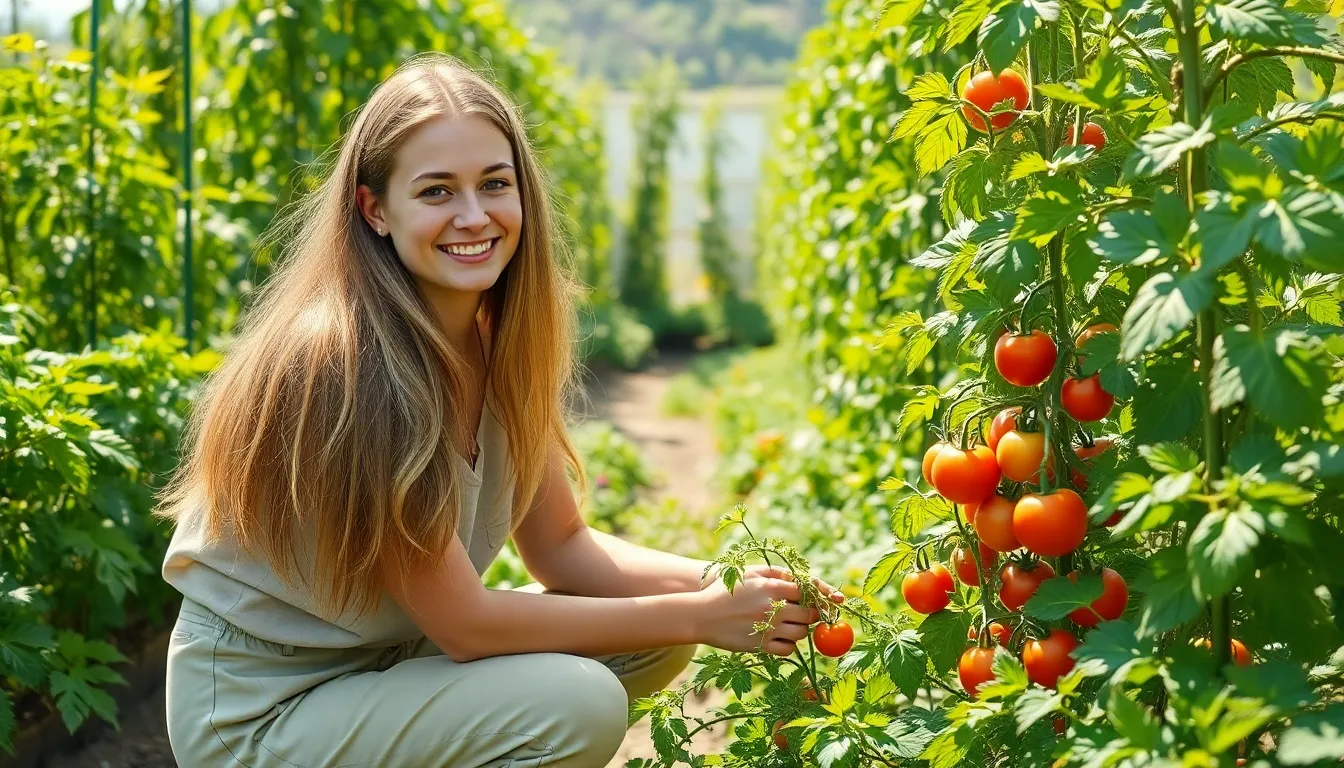
In a world full of quick fixes and instant gratification, the crunchy lifestyle stands out like a kale chip at a potato chip party. It’s not just a trend; it’s a movement that embraces natural living, sustainability, and a sprinkle of humor. Imagine swapping out your processed snacks for homemade granola and finding joy in the simple act of composting. It’s about making choices that not only nourish the body but also feed the soul.
Diving into the crunchy lifestyle might seem daunting—like trying to fit into those skinny jeans after the holidays—but it’s actually a delightful journey. This approach celebrates everything from organic gardening to DIY beauty products, proving that living well doesn’t have to be boring. So grab your reusable tote and get ready to explore how embracing this lifestyle can make you feel like the superhero of your own eco-friendly adventure.
What Is a Crunchy Lifestyle?
A crunchy lifestyle emphasizes natural living and sustainability. Followers prioritize the use of organic, whole foods, often opting for locally sourced produce. Homemade products, such as snacks, cleaning solutions, and beauty items, feature prominently in this lifestyle.
Engagement in sustainable practices, including composting and minimal waste, defines this movement. Many participants embrace organic gardening, growing their own fruits and vegetables. People often find satisfaction in DIY projects, enhancing self-sufficiency and creativity.
Nurturing environmental awareness plays a significant role. Individuals tend to choose eco-friendly alternatives over conventional products. They often advocate for ethical treatment of animals, frequently supporting cruelty-free brands.
Community-building represents another facet of the crunchy lifestyle. Many individuals seek local farmer’s markets and co-ops for purchasing products and connecting with like-minded people. Sharing knowledge and skills fosters a sense of belonging, enhancing the overall experience.
Promoting mindfulness extends beyond personal practices. Followers often encourage others to reflect on their consumption habits. Embracing this lifestyle leads to better health and deeper connections with nature and the community.
Practicing a crunchy lifestyle can be a fulfilling journey. Along the way, many discover joy in simple pleasures and find empowerment through their choices. Ultimately, this movement invites individuals to make healthier, sustainable decisions that impact both personal well-being and the planet.
Benefits of a Crunchy Lifestyle
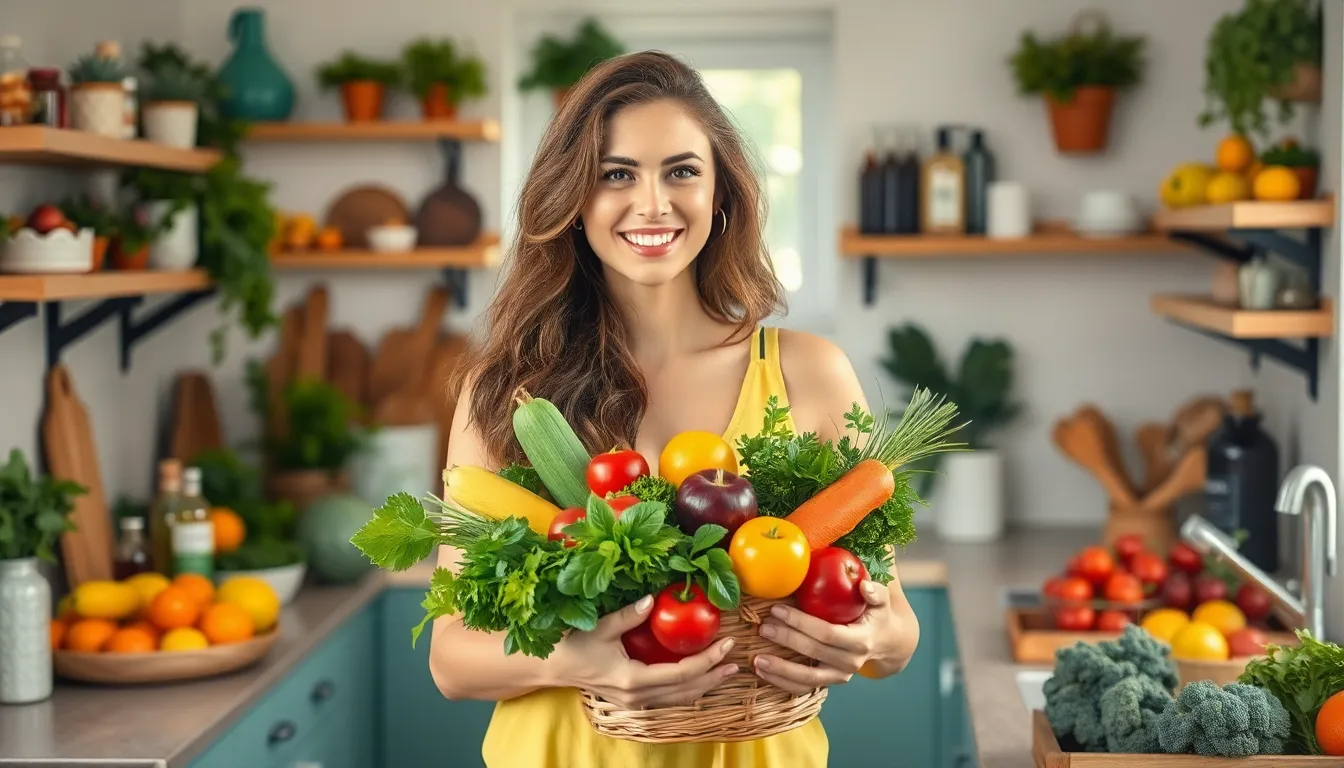
The crunchy lifestyle offers numerous advantages, enhancing both personal well-being and the environment.
Health Advantages
Living a crunchy lifestyle promotes a healthier diet rich in organic, whole foods. Consuming fresh produce boosts nutrient intake, which supports overall health. People often report increased energy levels and improved digestion after switching to natural options. Engaging in DIY beauty and cleaning products minimizes exposure to harmful chemicals. Many find greater satisfaction in creating meals from scratch, fostering a deeper connection to their food. Moreover, gardening serves as a form of physical activity, encouraging improved fitness and mental well-being. This holistic approach leads to overall wellness benefits and empowers individuals to take charge of their health.
Environmental Impact
Adopting a crunchy lifestyle significantly reduces one’s ecological footprint. Composting organic waste decreases landfill contributions, enriching soil health simultaneously. Choosing eco-friendly products limits reliance on non-renewable resources, promoting sustainability. Many prioritize local and seasonal shopping to support regional farmers, thereby reducing transportation emissions. Practices like minimal waste further facilitate environmental preservation. Individuals also advocate for ethical treatment of animals, influencing food sourcing and consumption choices positively. This lifestyle fosters greater awareness of environmental issues, prompting proactive involvement in community sustainability efforts.
Common Practices in a Crunchy Lifestyle
Embracing a crunchy lifestyle involves a range of natural and sustainable practices that enhance well-being and protect the environment.
Organic Eating
Organic eating emphasizes the consumption of whole foods free from synthetic pesticides and fertilizers. Individuals often prioritize fresh fruits, vegetables, and whole grains. Farmers’ markets and local co-ops serve as popular sources for these organic products. Choosing grass-fed meats and free-range eggs supports ethical farming practices. Meal prepping with seasonal ingredients promotes health and reduces food waste. Community involvement strengthens connections with local growers, making the eating experience more rewarding.
Natural Remedies
Natural remedies focus on holistic approaches to health using plants and minerals. Herbal teas, essential oils, and natural supplements replace synthetic medications for many. Home remedies such as honey for sore throats or ginger for digestive issues showcase simplicity in healing. Awareness of the benefits of turmeric and other anti-inflammatory herbs strengthens their usage. Trusting in nature’s solutions fosters a deeper connection with the environment. Sharing knowledge about natural remedies within communities enhances collective well-being.
Sustainable Living
Sustainable living aims to reduce one’s ecological footprint through mindful consumption. Strategies include adopting a minimalist lifestyle and reducing energy use at home. Recycling, composting, and reusing materials contribute significantly to waste reduction. Many individuals prioritize second-hand shopping to minimize consumption of new resources. Gardening, whether in backyards or community plots, supports local food systems. Supporting eco-friendly brands reinforces a commitment to sustainability, promoting responsible consumption habits.
Challenges of Maintaining a Crunchy Lifestyle
Maintaining a crunchy lifestyle presents several challenges that individuals may face. These obstacles can impact the journey toward sustainable living.
Accessibility Issues
Access to organic foods and eco-friendly products can be limited based on location. Many urban areas lack proper markets, making it difficult for followers to find fresh, local produce. Rural environments may also present challenges, with fewer options for specialty stores offering whole foods and natural remedies. Financial constraints often contribute to inaccessibility; organic products frequently cost more than conventional items. Additionally, limited transportation options can hinder access to far-away farmers’ markets, exacerbating difficulties for those committed to this lifestyle.
Time and Effort Investment
Adopting a crunchy lifestyle demands significant time and effort. Gardening requires consistent commitment, from planting seeds to maintaining healthy plants. DIY projects, while rewarding, may involve lengthy preparation and execution periods. Preparing homemade meals instead of opting for convenience foods also increases time spent in the kitchen. Followers often find themselves researching sustainable practices and learning new skills, further extending their time investment. Balancing these activities with work and family responsibilities can become overwhelming. Prioritization is essential to maintain engagement and prevent burnout.
Embracing a crunchy lifestyle offers a fulfilling path toward better health and environmental stewardship. It encourages individuals to make mindful choices that nourish their bodies and the planet. By prioritizing organic foods and sustainable practices, they can cultivate a deeper connection with nature and their communities.
While challenges may arise in this journey, the rewards of increased energy, creativity, and well-being are worth the effort. Each small step taken toward sustainable living contributes to a larger movement that promotes mindfulness and empowerment. Ultimately, the crunchy lifestyle invites everyone to explore new habits that enrich their lives and foster a more sustainable future.