

Voicemail might seem like a relic from the past, but it’s still the unsung hero of communication. Imagine missing an important message because your voicemail isn’t set up. Yikes! Setting up voicemail on an iPhone is easier than finding a cat video online, and it only takes a few minutes.
With just a few taps, you can ensure that you never miss a beat—or a hilarious message from Aunt Betty. Whether you’re a tech whiz or someone who still struggles with the TV remote, this guide will walk you through the steps to get your voicemail up and running. Say goodbye to awkward silence and hello to a world of smooth communication! Let’s dive in and turn your voicemail into the reliable assistant it was meant to be.
Understanding Voicemail on iPhone
Voicemail serves as a crucial communication tool, allowing users to receive messages when unable to answer calls. The functionality provides flexibility in communication, ensuring that important messages are never missed. With an iPhone, accessing and managing voicemail becomes a streamlined process.
Setting up voicemail on an iPhone typically takes only a few minutes. Users easily navigate through the settings for a straightforward experience, regardless of technical expertise. Personalizing voicemail greetings helps convey one’s style and offers an opportunity to create a welcoming message for callers.
Voicemail integrates with visual voicemail features, allowing users to see a list of messages instead of listening sequentially. This feature provides immediate visibility into missed calls, making it easier to prioritize responses. Users can directly choose which messages to listen to first, enhancing the overall efficiency of communication.
Moreover, voicemail options expand with carrier services, which may include additional features like voicemail-to-text transcription. Some carriers offer visual voicemail apps that simplify access and management of voice messages. Understanding these options allows users to utilize voicemail effectively, adapting features to fit their communication preferences.
While its usage may seem less common in the age of instant messaging, voicemail remains valuable. Embracing this feature ensures users stay connected, providing another layer of communication beyond text or emails. Setting up voicemail guarantees that important messages reach their destination, reinforcing its significance in maintaining communication networks.
Preparing Your iPhone for Voicemail
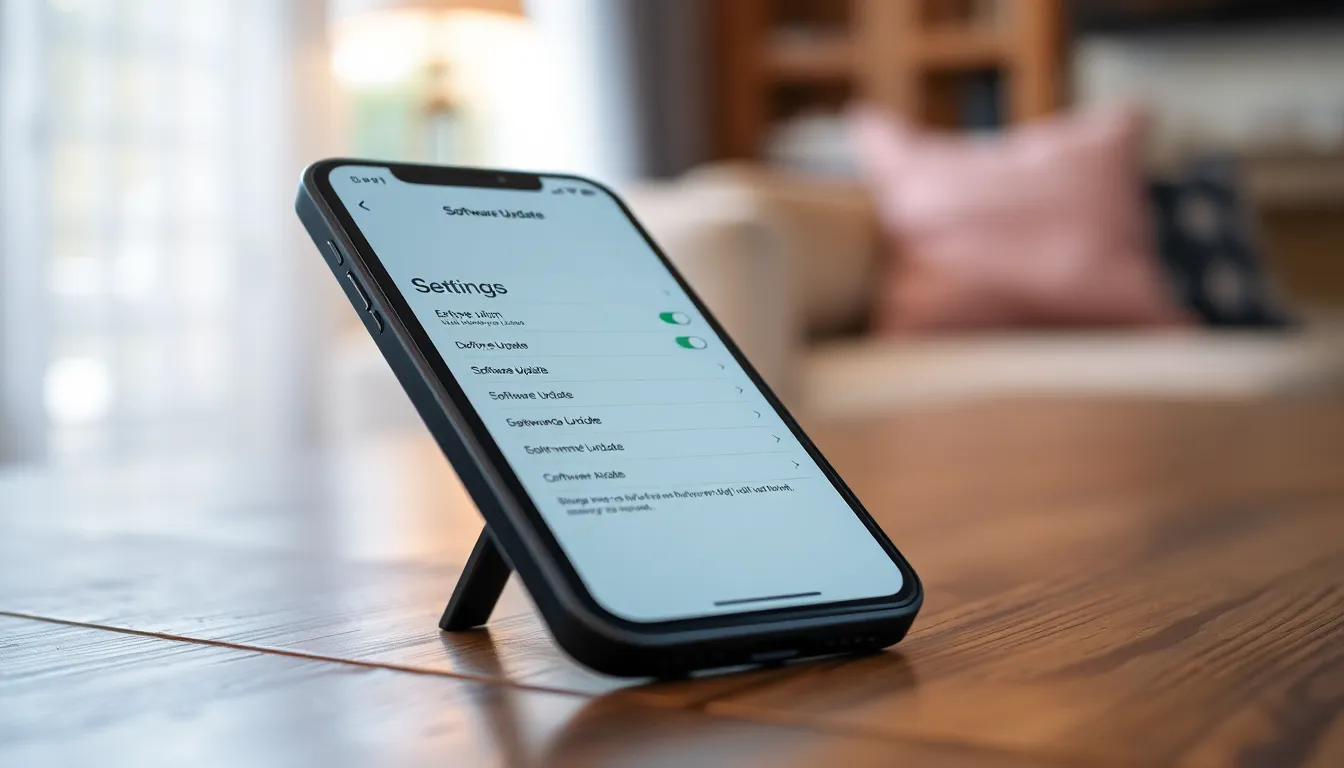
Setting up voicemail on an iPhone requires some initial preparation. Users must ensure their devices support voicemail features and have the latest software.
Checking Carrier Support
Carrier support is crucial for voicemail functionality. Users should confirm that their mobile provider offers voicemail services. Most major carriers, such as Verizon, AT&T, and T-Mobile, include voicemail options in their plans. Checking the carrier’s website or contacting customer service provides clarity on available features. Users must also verify whether any specific settings or codes are required for activation.
Ensuring Software is Up to Date
Updating the iPhone’s software enhances the functionality of voicemail features. Checking for updates is straightforward; users can navigate to Settings, then General, and select Software Update. Installing the latest iOS version ensures compatibility with voicemail options. Outdated software may lead to glitches or limited features, affecting the overall experience. Regularly updating keeps the device secure and functioning smoothly.
Step-by-Step Guide to Setting Up Voicemail
Setting up voicemail on an iPhone is straightforward. Follow these steps for a seamless process.
Accessing the Phone App
First, locate the Phone app on the iPhone. Tap the app icon to open it. After that, find the Voicemail tab at the bottom-right corner of the screen. This area provides access to voicemail features. Users can navigate through their messages and settings once in this tab. A simple tap on “Voicemail” reveals existing messages or prompts for voicemail setup.
Setting Up Your Voicemail
Begin by tapping “Set Up Now” if it’s the first time accessing voicemail. Then, users must create a unique password, typically consisting of four to six digits. Next, choose whether to record a custom greeting or use the default option. Recording a personal greeting adds a personal touch to voicemail messages. After completing these steps, save the settings. Users can now confidently receive and manage voicemail messages efficiently on their iPhone.
Troubleshooting Common Voicemail Issues
Voicemail problems can disrupt communication. Various issues sometimes arise, but solutions exist.
Voicemail Not Working
Voicemail may stop working due to several factors. Users might encounter issues if they haven’t activated their voicemail settings. Additionally, an outdated software version can cause service interruptions. Checking carrier compatibility is essential since not all plans include voicemail support. Restarting the iPhone often resolves minor glitches. If problems persist, users should contact their carrier for assistance. The carrier may provide specific steps to troubleshoot and enable voicemail.
Resetting Voicemail Password
Resetting a voicemail password becomes necessary if forgotten. Users should start by accessing the Phone app and navigating to the Voicemail tab. Choosing “Forgot Password” prompts the system to guide through the reset process. A temporary password may arrive via SMS or email, assisting in regaining access. Setting a new password should follow the guidelines provided, including length and character requirements. Ensuring the new password is memorable is vital to prevent future issues. After successfully resetting, users can manage their voicemail confidently.
Advanced Voicemail Settings
Advanced voicemail settings enhance user experience and enable personalization on an iPhone. Customizing greetings and managing notifications can significantly improve voicemail management.
Customizing Greetings
Users can create personalized greetings to reflect their style and preferences. To set a custom greeting, open the Phone app, tap on the Voicemail tab, and then select Greeting. Simple options include using the default greeting or recording a new one. Personal recorded greetings resonate more with callers, fostering a connection. Greeting customization enables users to convey important information, such as when they will return calls. Engaging greetings encourage callers to leave messages.
Managing Voicemail Notifications
Voicemail notifications keep users informed about new messages. Adjusting these notifications can enhance communication efficiency. Navigate to Settings, select Notifications, then tap Phone to customize voicemail alerts. Users can choose between sounds, vibrations, and banners to stay updated. Important notifications ensure that users never miss essential messages. Activating Badge App Icons also highlights unread messages on the Phone app’s icon. Consistent management of these preferences optimizes the voicemail experience, allowing for prompt responses to missed communications.
Setting up voicemail on an iPhone is an essential step for maintaining effective communication. With just a few simple steps users can ensure they never miss important messages. The ease of accessing and managing voicemail makes it a convenient option for those who can’t answer calls immediately.
By personalizing greetings and adjusting notification settings users can enhance their voicemail experience. Embracing these features allows for a more streamlined communication process. Voicemail remains a valuable tool in today’s fast-paced world ensuring that important messages are always received and prioritized.