

The pandemic turned everyday life into a bizarre reality show, and everyone was a contestant. Suddenly, sweatpants became the official uniform, and grocery shopping felt like a high-stakes mission. With social gatherings replaced by virtual happy hours and home-cooked meals taking center stage, people found themselves navigating a new normal that was equal parts chaos and creativity.
As the world shut down, it sparked a wave of innovation in how people approached their lifestyles. From mastering the art of sourdough bread to discovering the joys of online yoga, the pandemic pushed everyone to adapt and rethink what it means to live well. Dive into this exploration of how life transformed during these unprecedented times, where the mundane turned into the extraordinary and resilience became the ultimate lifestyle choice.
Overview of Lifestyle During Pandemic
The pandemic transformed lifestyle significantly across the globe. Casual attire became the norm as people adjusted to remote work. Grocery shopping shifted from in-store experiences to online purchases, impacting traditional shopping habits. Virtual social interactions replaced gatherings, fostering new ways to connect.
Home cooking surged as individuals experimented with recipes and learned culinary skills. Popularity of baking, particularly sourdough, skyrocketed as home chefs embraced the challenge. Online classes in yoga and fitness gained traction, encouraging physical activity from the comfort of home.
Innovation thrived during these times, with many starting hobbies that required creativity and resourcefulness. Gardening emerged as a popular pastime, allowing people to connect with nature. Arts and crafts projects flourished, providing an outlet for self-expression.
Mental health awareness increased, with individuals seeking balance and mindfulness amid uncertainty. Communities rallied together, offering support through virtual platforms. Meditation apps saw a rise in usage as people looked for ways to manage stress.
Adaptation became crucial to navigating daily life, with resilience shining through challenges. Individuals incorporated new routines, blending work and personal life into a cohesive structure. The pandemic’s impact on lifestyle remains profound, reshaping how people experience everyday moments.
Changes in Daily Routines

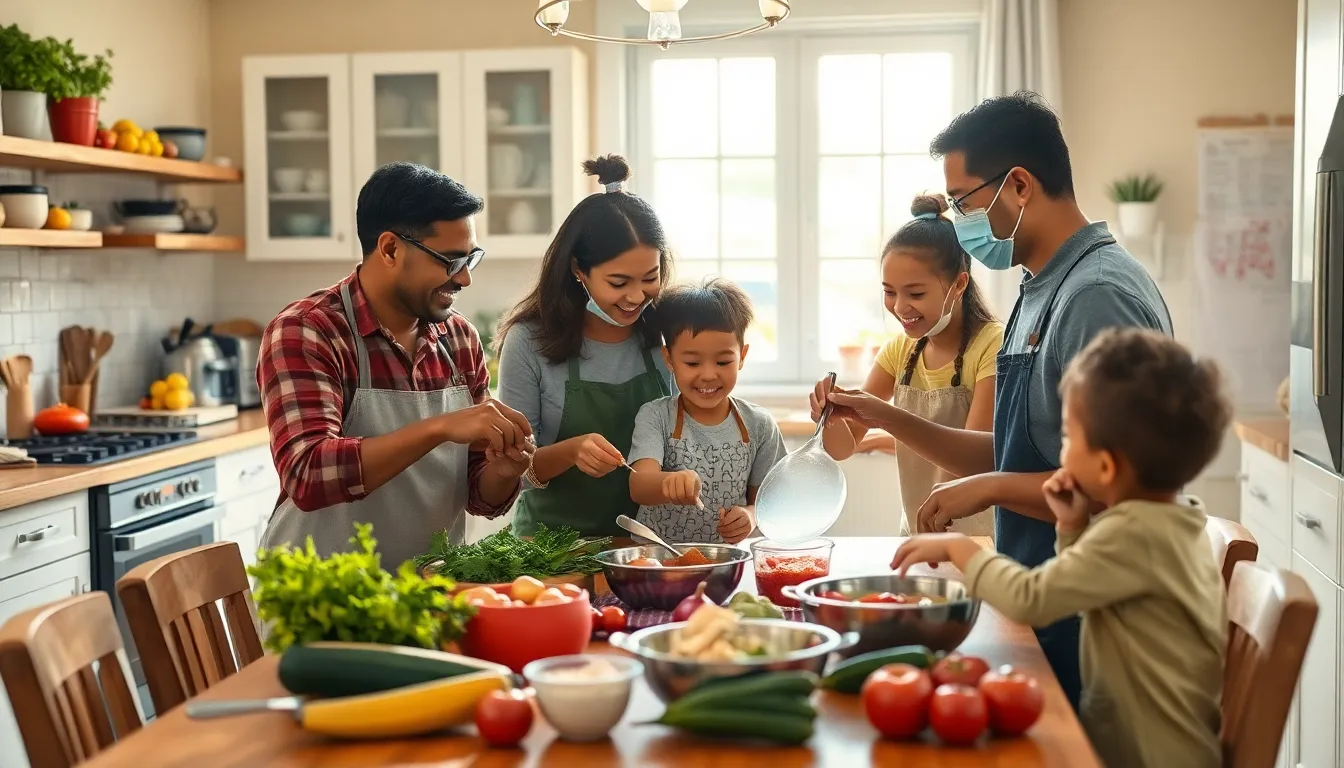
The pandemic transformed daily routines significantly. Adapting to new norms required quick adjustments across various aspects of life.
Work from Home Dynamics
Remote work became prevalent during the pandemic. Professionals shifted to virtual meetings and online collaboration tools. Productivity levels varied; some thrived in a home environment while others struggled with distractions. Maintaining boundaries between work and personal life proved challenging for many. Flexibility in work hours allowed for a blend of professional tasks and family responsibilities. Desks transformed into makeshift workspaces, while commuting time turned into valuable moments for self-care or leisure activities.
Impact on Family Life
Family dynamics underwent substantial changes. Parents often juggled remote work and homeschooling their children. Shared spaces became multifunctional, catering to work, study, and relaxation all in one. Family activities shifted to virtual platforms, enabling quality time despite physical separation from extended family. Conversations about well-being and mental health increased as everyone navigated uncertainty together. Creativity emerged in activities like family cooking nights and game sessions. Balancing family interactions with personal needs became essential for overall harmony.
Health and Wellness Adaptations
Adapting health and wellness practices significantly defined life during the pandemic. Individuals embraced new approaches to maintain well-being.
Physical Fitness Trends
Virtual fitness classes surged in popularity. Many turned to online workouts, discovering platforms that offered everything from yoga to high-intensity interval training. Home gyms became common as people invested in equipment. Outdoor activities also gained traction; walks and runs in parks provided fresh air and exercise. Social media influencers promoted fitness challenges, encouraging followers to stay active. Group activities transitioned to virtual spaces, maintaining social connections while prioritizing health. Data shows a 50% increase in digital fitness subscriptions during this period, reflecting a strong dedication to physical activity.
Mental Health Challenges
Mental health issues rose sharply as uncertainty loomed. Increased stress and anxiety affected numerous individuals, prompting a need for support. Many sought therapy through virtual platforms, breaking down accessibility barriers. Meditation apps flourished, offering guided sessions to foster relaxation and mindfulness. Research indicates a 30% increase in reported anxiety levels, underscoring the critical need for mental well-being resources. Families found themselves navigating new dynamics, facing challenges in communication and emotional support. Community initiatives emerged to address these issues, emphasizing connection and mental health awareness during unprecedented times.
Social Interactions and Community
Social interactions transformed during the pandemic, leading to the rise of innovative ways to maintain connections. People embraced digital platforms for socializing, adapting to a landscape where face-to-face gatherings became limited.
Virtual Connections
Virtual connections gained importance as individuals turned to video calls and social media for interaction. Zoom, Microsoft Teams, and various other platforms facilitated communication among friends, family, and coworkers. Online game nights and virtual happy hours emerged, allowing people to enjoy shared experiences from their homes. Communities also formed over social media, uniting individuals with common interests and hobbies despite physical distance. Increased participation in virtual workshops and classes allowed for skill sharing and bonding, proving that distance couldn’t diminish the desire for companionship.
Community Support Initiatives
Community support initiatives flourished as local organizations and individuals stepped up to help those in need. Food banks saw a surge in donations and volunteers, addressing food insecurity. Neighbors looked out for each other, providing assistance with grocery shopping and errands. Many communities launched online platforms for sharing resources, information, and volunteer opportunities. Mental health support groups transitioned to virtual formats, providing essential services and maintaining connections. These efforts exemplified the resilience and unity of communities, as collective action became vital in navigating the challenges of the pandemic.
Shifts in Consumer Behavior
The pandemic brought notable changes in consumer behavior, presenting both challenges and opportunities. A significant shift occurred in purchasing patterns, as many adjusted their buying habits to align with new lifestyles.
Online Shopping Surge
Online shopping experienced an exponential rise during the pandemic. E-commerce platforms saw a 44% increase in sales from 2019 to 2020, reflecting consumers’ preferences for convenience and safety. Individuals embraced online grocery shopping, with many supermarkets reporting a doubling of demand for home delivery services. Retailers swiftly adapted by enhancing their digital platforms to support this surge, offering contactless payment options and expedited shipping. Consumers became more comfortable with online purchases, reinforcing the trend towards digital shopping beyond essential goods.
Changes in Dining Habits
Dining habits transformed significantly as restaurants adapted to restrictions. A growth in homemade meals occurred, with 66% of individuals cooking more frequently during the pandemic. Many explored new recipes and cooking techniques, including sourdough baking and gourmet meal prep. Takeout and delivery services also gained popularity, helping local businesses survive while satisfying cravings for restaurant-quality meals. As dining shifted indoors and online, individuals prioritized meal kits and food delivery apps for convenience. This transformation emphasizes evolving preferences that likely persist beyond the pandemic.